
Clinical Supervision for Psychotherapists in Ontario

Supervision should be more than talking through your caseload.
It should be a place where you can slow down, think out loud, ask the questions you are afraid you should already know, and become more confident in how you work.
At Soul Prism Therapy, we offer clinical supervision for psychotherapists and therapists-in-training who want supervision that is thoughtful, practical, collaborative and grounded in the realities of actually sitting in the therapist chair.
Individual, dyadic and group supervision available.
Virtual across Ontario, with in-person options in Vaughan.

Building Possibility Together
Especially early in your career, therapy can bring up a lot of questions:
Am I doing enough in session?
What do I do when a client goes quiet?
How do I know if therapy is actually helping?
Was that disclosure a risk issue?
How much should I document?
What if I don't know what to do next?
These are not signs that you are doing something wrong. They are the kinds of questions good supervision should make room for.
Our goal is not to turn you into a version of your supervisor. It is to help you develop your own clinical judgment, therapeutic voice and confidence while practising ethically and responsibly.
Who supervision is for
Clinical supervision may be a good fit if you are:
An RP (Qualifying) working toward registration requirements
A newer Registered Psychotherapist building confidence and clinical experience
A practicum student beginning to work directly with clients
A therapist expanding into a new population, modality or area of practice
Looking for additional consultation around complex clinical situations
Wanting a supervision relationship that includes reflection, not only case reporting
You do not have to be part of Soul Prism Therapy to receive supervision with us
What we can bring into supervision
What we focus on will depend on where you are in your development and what is coming up in your work.
Supervision may include:
Case conceptualization: Understanding what may be happening beneath the presenting problem and deciding where therapy might go next.
When you feel stuck: Exploring those sessions where you leave thinking, I have no idea what I'm doing with this client.
Clinical documentation: Writing progress notes that are clinically useful, ethical and appropriately protective of the client.
Risk, safety and confidentiality: Thinking through suicidality, self-harm, reporting obligations, confidentiality and difficult ethical decisions.
Your first sessions: Assessment, pacing, relationship-building, treatment planning and figuring out what information actually matters.
Boundaries and client communication: Emails, cancellations, contact between sessions, disclosure, endings and the many grey areas that come with therapeutic relationships.
Client progress: How to notice movement in therapy when progress does not look dramatic or linear.
Self-of-the-therapist: Understanding what gets activated in you, including uncertainty, over-responsibility, rescue impulses, imposter feelings and countertransference.
Developing your therapeutic style: Moving beyond trying to "do therapy correctly" and learning how to integrate your training into a way of working that actually feels like you

Supervision that grows with you
A therapist who has just started seeing their first few clients needs something very different from a therapist who has been practising independently for several years and supervision should reflect that. If you are very new, we may spend more time slowing things down, building foundational skills, reviewing sessions and helping you understand why you are making certain clinical decisions. As your confidence grows, supervision can become more nuanced and reflective, with greater attention to complex cases, patterns across your work, ethical decision-making and your development as a therapist. There is no expectation that you arrive knowing everything. That is part of why supervision exists.
-
One-to-one supervision gives us space to focus deeply on your clinical work, questions and development. Sessions may include case consultation, conceptualization, ethics, documentation, professional identity and the emotional experience of being a therapist. This can work especially well for newer therapists who benefit from consistent support or clinicians bringing more complex clinical material.
-
Sometimes some of the most useful learning happens when therapists think together. Dyadic and group supervision provide opportunities to hear different perspectives, learn from other clinicians' cases and realize that many of the questions you have are questions other therapists have too. Group formats may also offer a more accessible way to receive ongoing supervision while developing connection with other clinicians.
-
For psychotherapists who are required to practise with clinical supervision, we structure supervision with current CRPO standards and expectations in mind. CRPO currently requires RP (Qualifying) registrants to practise with clinical supervision and outlines specific requirements regarding supervision, supervisor qualifications and clinical experience. Supervision needs can vary depending on your registration status and clinical circumstances.
If you are seeking supervision specifically for CRPO registration requirements, we can discuss your needs before beginning so you can determine whether the supervision arrangement is appropriate for your circumstances.
Meet our Supervisors

Kritika Mehta, MSc, RP
Registered Psychotherapist, Clinic Owner & Clinical Supervisor
Kritika brings over a decade of psychotherapy experience to supervision, with particular depth in trauma-informed and culturally responsive practice.
Her supervision style is collaborative, reflective and curious. She is especially interested in helping therapists think about the person in front of them within the broader context of culture, identity, family, migration, intergenerational experiences and the systems that shape their lives.
Supervision with Kritika may be especially helpful if your work involves:
Trauma and complex trauma
Culturally responsive and multicultural psychotherapy
Immigration, identity and intergenerational experiences
Relational and attachment patterns
Self-of-the-therapist and countertransference
Integrating trauma-informed, somatic, parts-informed and expressive approaches
Building confidence as a newer therapist
A significant part of her supervision work is helping therapists move beyond "What am I supposed to say?" toward understanding what they are noticing, what may be happening beneath the surface and why they are choosing a particular intervention.
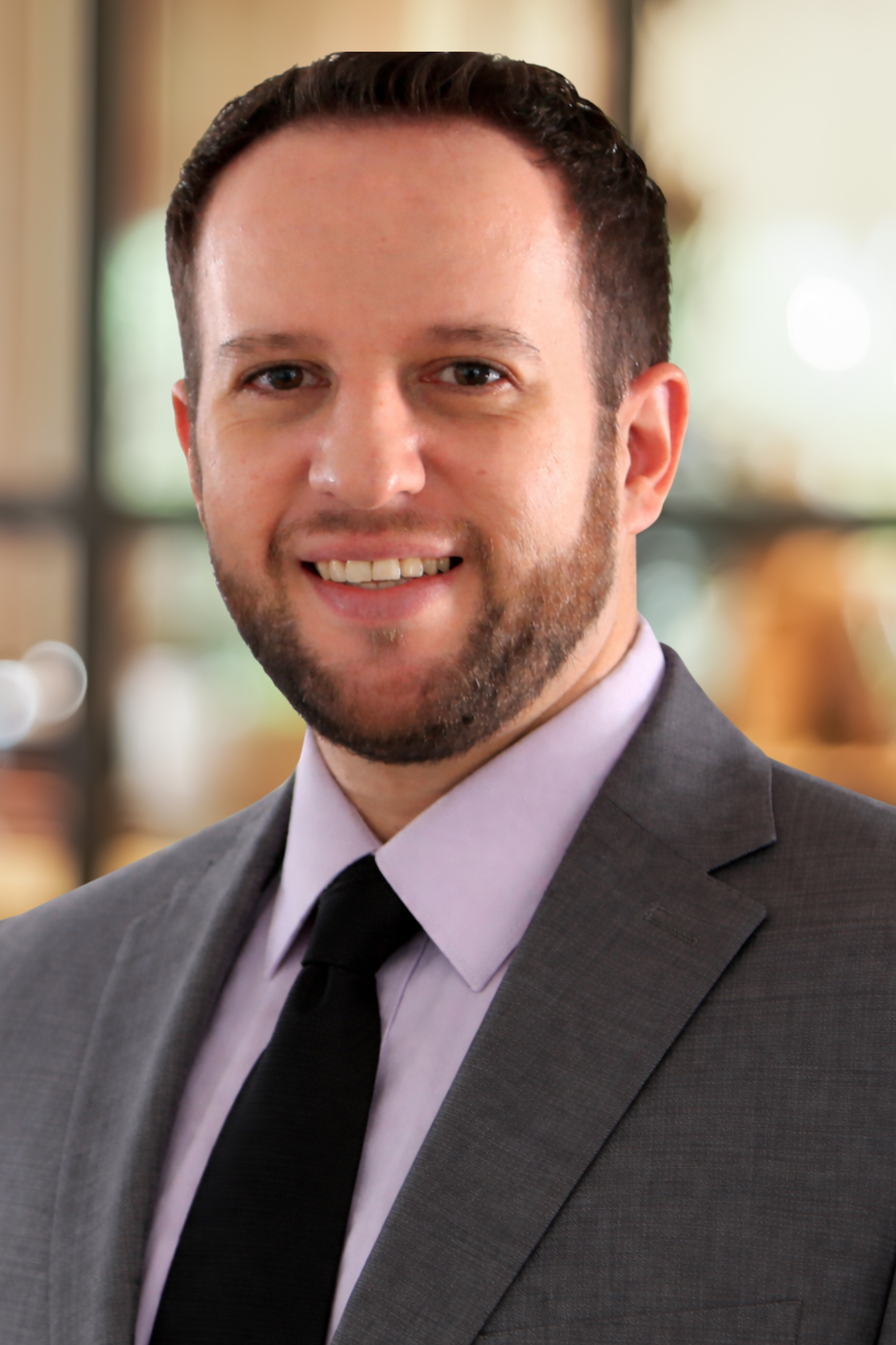
Corrado Recchiuti, MSc, RP
Registered Psychotherapist & Clinical Supervisor
Corrado brings extensive experience working with adults and couples, with a particular clinical focus on sex therapy, sexuality, relationships and intimacy.
His supervision offers a space to think through clinical work that may involve topics therapists are not always given enough opportunity to explore during their formal training.
Supervision with Corrado may be especially helpful if your work involves:
Sex therapy and sexual concerns
Sexuality and sexual identity
Intimacy and desire
Couples and relationship work
Communication and relational dynamics
Shame, vulnerability and difficult-to-discuss topics
Building comfort and confidence when talking about sex and sexuality in therapy
His supervision style supports therapists in developing stronger clinical reasoning while becoming more comfortable working with sensitive, complex and often deeply personal material.
Looking for supervision?
Finding the right supervisor matters.
You should be able to bring your uncertainty, your mistakes, your questions and the parts of this work that feel difficult without feeling like you have to perform competence.
You should also be able to choose a supervisor whose clinical experience connects with the kind of therapist you want to become.
If that sounds like the kind of supervision you are looking for, we'd be happy to connect.
Frequently Asked Questions
-
We offer supervision to practicum students, RP (Qualifying) registrants, newer Registered Psychotherapists and therapists looking for consultation as they develop their clinical practice. You do not need to work at Soul Prism Therapy to receive supervision with us.
-
Yes. We offer clinical supervision to psychotherapists who require supervision as part of their CRPO registration or ongoing practice requirements.
-
Please note, there are no CRPO approved supervisors. However, both Kritika Mehta and Corrado Recchiuti fulfil the criteria listed out by CRPO for supervisors.
Both our supervisors are approved by Yorkville University as supervisors.
-
It depends on the kind of support and clinical perspective you are looking for.
Kritika may be a particularly good fit if you are interested in trauma-informed work, multicultural and culturally responsive therapy, identity, immigration, intergenerational experiences and self-of-the-therapist work.
Corrado may be a particularly good fit if you are interested in sex therapy, sexuality, intimacy, couples work and relationship dynamics.
-
There is no fixed agenda. You might bring a client you feel stuck with, an ethical question, documentation concerns, a difficult interaction, a risk situation or something that came up for you personally in the therapeutic relationship.
Supervision may include case conceptualization, clinical reflection, skill development, ethical decision-making and planning possible next steps.
-
That is completely okay.
Especially at the beginning, part of supervision is learning what to pay attention to. You might bring a session that felt confusing, a question about what to say next, something you are worried you handled incorrectly or simply a feeling that you are not sure what to do with a client.
You do not need to arrive with a polished case presentation.
-
es.
Individual supervision is one-to-one with your supervisor and is currently $160–$175 per session, depending on the supervisor.
Dyadic supervision involves two supervisees meeting with one supervisor and is currently $80–$90 per person, per session.
Availability may vary.
-
Yes. Virtual supervision is available across Ontario.
In-person supervision may also be available in Vaughan depending on the supervisor and scheduling availability.
-
Yes. Some therapists seek additional consultation when they want support in a particular clinical area, are working with a complex case or would benefit from another perspective.
If the supervision is being used toward formal registration or practicum requirements, we recommend making sure the arrangement meets the requirements of your regulatory body or training program.
-
The first step is to reach out for a supervision consultation.
We can talk briefly about where you are in your training or career, what you are hoping to get from supervision and whether Kritika or Corrado may be the better fit for your needs.
From there, we can discuss availability, format and next steps.